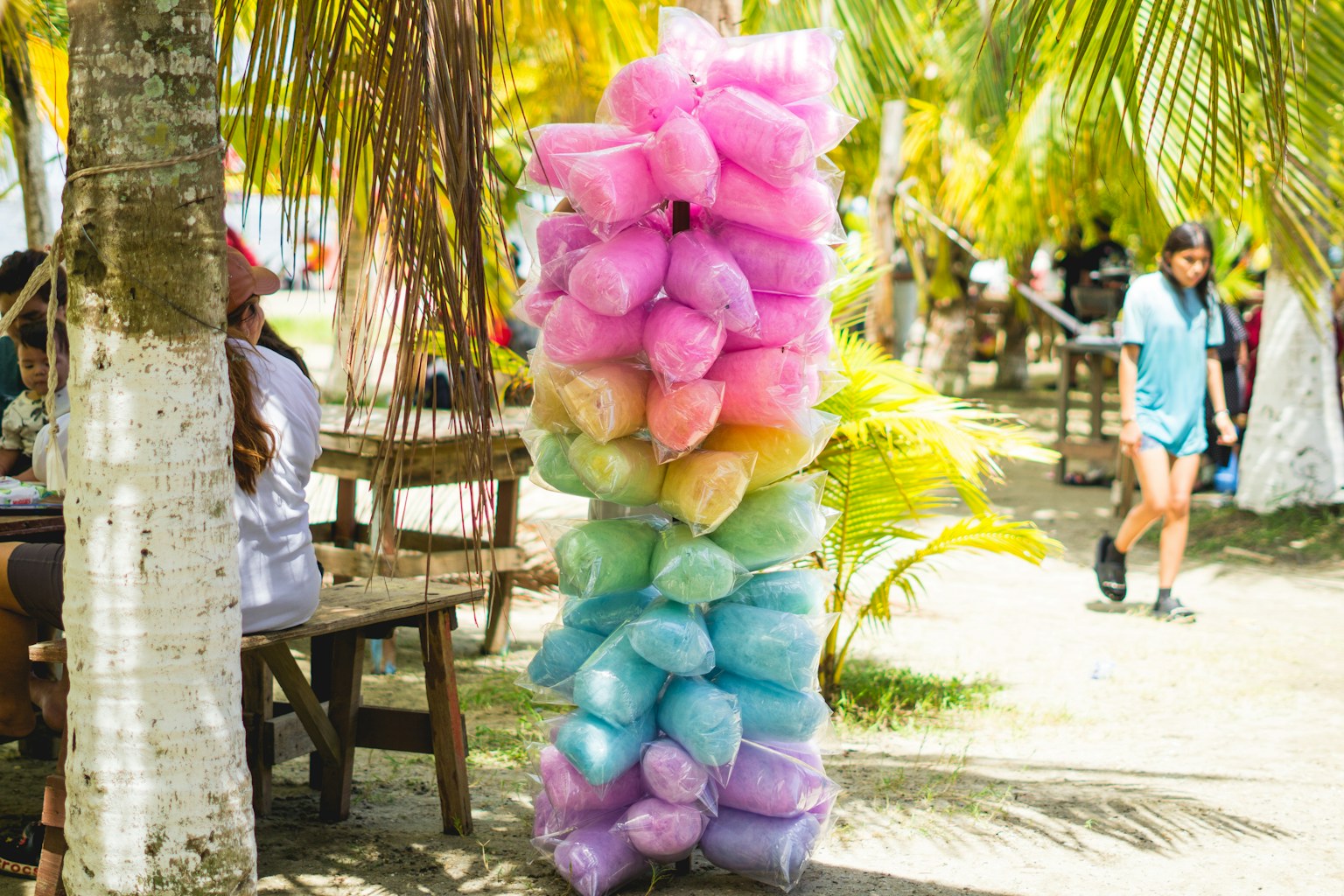
It is the same treat everywhere on Earth: a pale cloud of spun sugar, wound onto a stick or a paper cone, dissolving on the tongue the moment it touches. But walk up to a stall and ask for it and you will hear yourself use a completely different word depending on where you are standing. In Australia it is fairy floss. In Britain it is candy floss. In North America it is cotton candy.
Three names, one snack — and the oldest of the three belongs to us.
The three names, decoded
The split is clean, and it maps neatly onto the English-speaking world:
- Fairy floss — Australia and New Zealand. If you grew up with showbags and school fetes, this is the word on the tip of your tongue.
- Candy floss — the United Kingdom and Ireland. Same fluff, different adjective.
- Cotton candy — the United States and Canada. The newest of the three names, and the one that travelled furthest through film and TV.
The fun does not stop at English. French speakers call it barbe à papa — literally "dad's beard" — while the Dutch say suikerspin, "sugar spider". Almost every language has its own affectionate little name for the same cloud of sugar, which tells you how quickly the treat won people over.
None of them is wrong. They all describe the same machine-spun sugar, and a traveller will be understood with any of the three almost anywhere. The fun is in why the names split the way they did — because the story starts with two dentists, a world's fair, and a name that Australia simply refused to let go of.
The name Australia kept: the 1904 World's Fair story
Here is the part most people do not know: fairy floss was not named by a poet, and it was not dreamed up by a confectioner with a flair for whimsy. The first electric cotton-candy machine was patented in 1897 by William Morrison, a dentist, and John C. Wharton, a confectioner. The idea was simple and a little bit brilliant — melt sugar, spin it through tiny holes at speed, and let it solidify into thousands of feather-light strands as it flew outward.
They called their invention Fairy Floss, and they chose the biggest stage in America to unveil it: the 1904 St. Louis World's Fair, officially the Louisiana Purchase Exposition. Visitors paid 25 cents a box for the strange new sweet, and they could not get enough of it. By the fair's end the pair had reportedly sold tens of thousands of boxes — one widely repeated figure is around 68,000 — and taken home what was, for the time, a small fortune.
So the name "fairy floss" is not an Australian invention at all. It is the original name, minted on a fairground in Missouri, and the word we still use today is the one the inventors themselves put on the box.
How America renamed it "cotton candy"
The United States kept the treat but eventually swapped the name. The switch is usually credited to a man named Josef Lascaux — a dentist, fittingly — who in the 1920s began selling the spun sugar and decided "cotton candy" better described its cloud-like, cotton-wool appearance. The name stuck, and it is the one Hollywood exported to the rest of the world through a hundred carnival scenes.
Britain went its own way with "candy floss", leaning on floss to describe the same fine, silky strands. And Australia and New Zealand? We simply kept the original. Of all the places the treat travelled, this is where the first name stayed put — a small, sweet case of a country holding onto a good word.
From fairground novelty to carnival mainstay
The machine made fairy floss possible anywhere there was power and sugar, and fairgrounds adopted it instantly. It became one of those foods that simply belongs to carnivals and showgrounds, the way popcorn belongs to the cinema. Part of that is the theatre of it — watching a stick of sugar turn into a balloon of colour in front of you is half the fun — and part of it is that the treat itself is mostly air.
That is not an insult. Fairy floss is genuinely one of the lightest things you will ever eat. A single serving is overwhelmingly air, with a little melted sugar holding the whole cloud together. Which is exactly why it feels like eating a sweet breeze, and why it has stayed a fairground favourite for more than a century.

In Australia the carnival connection runs especially deep. The agricultural shows that tour the country each year — the Royal shows, the country fetes, the local fairs — have carried fairy floss stalls for generations, often right beside the sideshow alley and the dodgem cars. And it is woven into the showbag tradition too: a bag of treats and novelties has rarely felt complete without something pink and fluffy poking out of the top.
A few things most people don't know
Fairy floss has one of the stranger backstories in food, and the details are genuinely fun:
- It was invented by dentists. Morrison and Wharton were not the only ones. The man who renamed it "cotton candy" in the 1920s, Josef Lascaux, was a dentist too. Three of the most important hands in the treat's history belonged to people who spent their days worrying about teeth.
- Spun sugar is older than the machine. Confectioners were spinning sugar into decorative shapes centuries before anyone electrified the process. What changed in 1897 was speed — the machine made it quick, easy and portable enough to sell at a fair.
- It has its own day. In the United States, National Cotton Candy Day falls on December 7, in case you needed an excuse.
- The colour is mostly for show. The sugar is spun from a melted base, and the pink and blue come from a tiny amount of colouring. The flavour underneath can be as simple as plain sugar — the rainbow is eye-candy first.
What to ask for, wherever you are
If you find yourself in front of a spinning machine and want to get the name right the first time, here is the short version:
- Australia and New Zealand — ask for fairy floss.
- The United Kingdom and Ireland — ask for candy floss.
- The United States and Canada — ask for cotton candy.
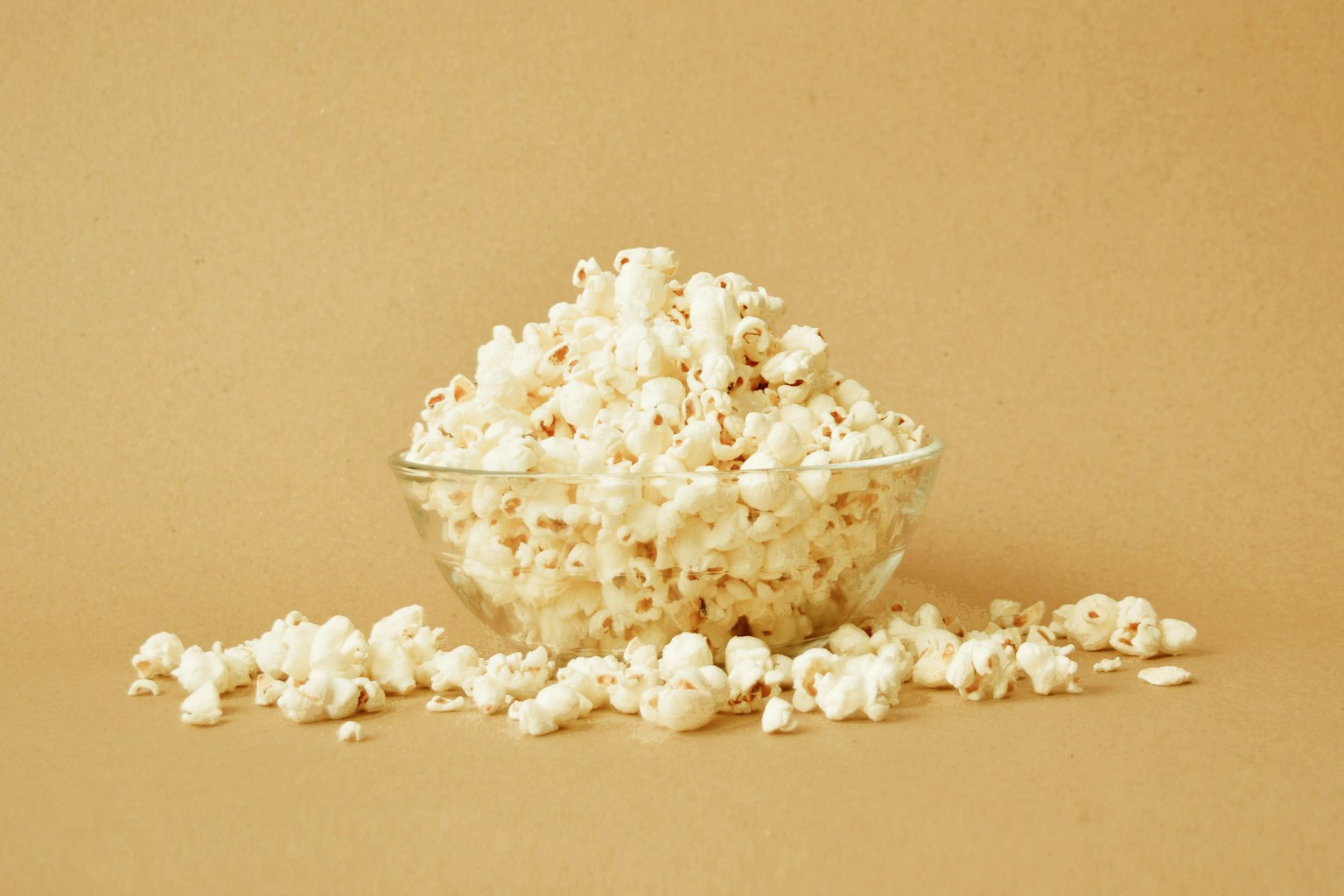
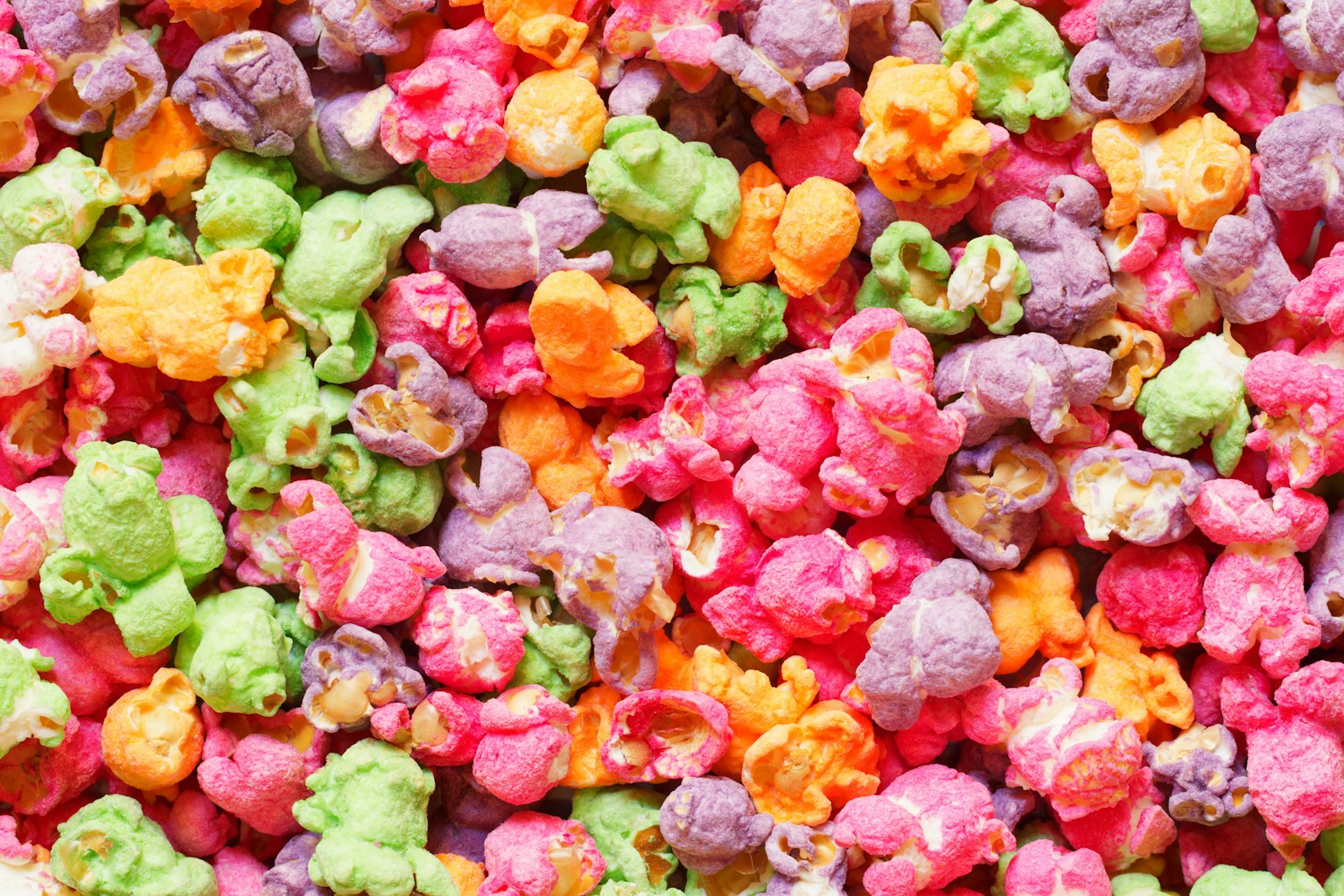
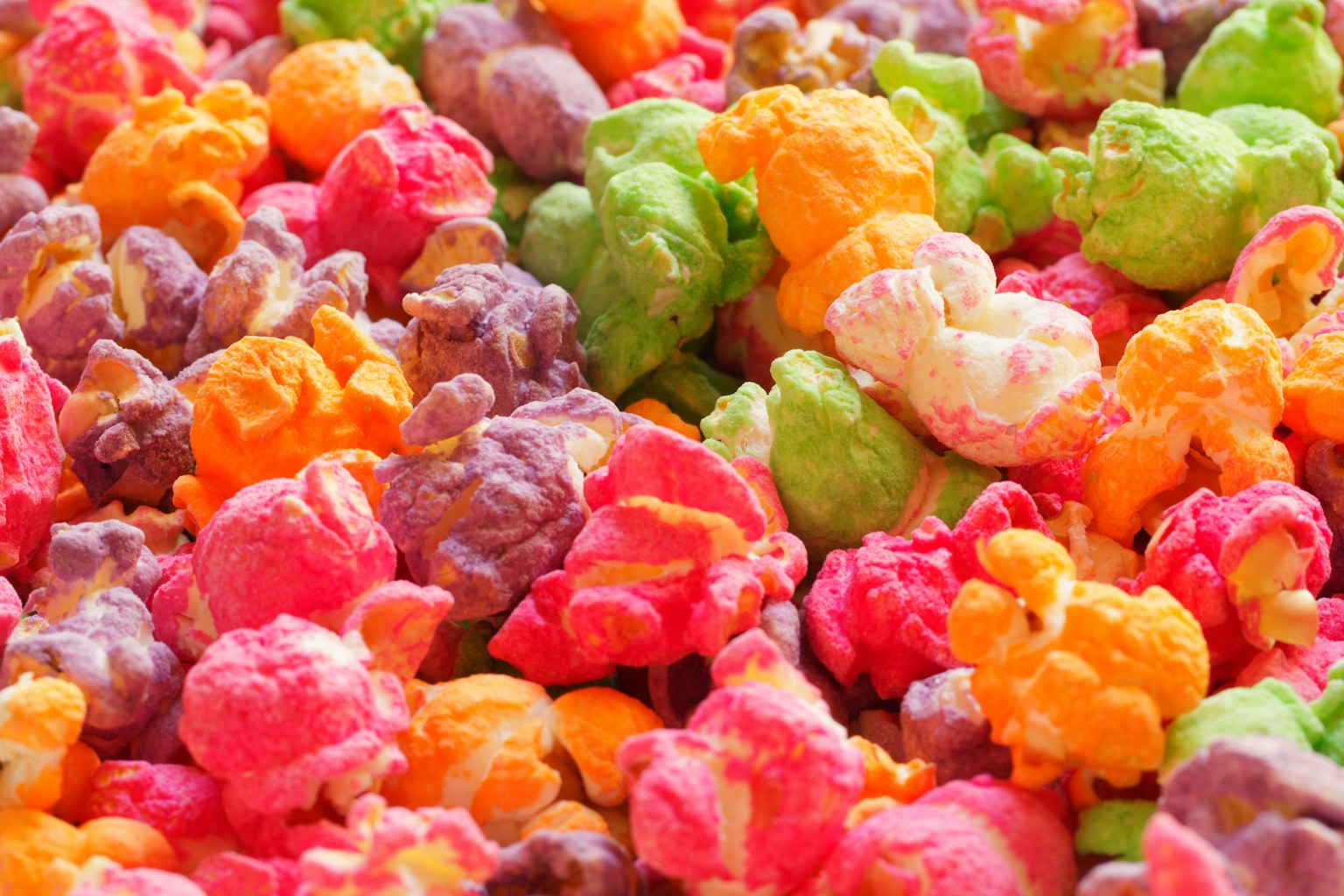
And if you are here in Australia, you do not need to wait for the next show to come through town. Fairy floss is the fluffy cousin in the Superpop family of treats, sitting alongside the popcorn we are best known for. If the colours of the carnival are your thing, our rainbow popcorn brings that same burst of pink, orange, purple and green to a bowl of popcorn — a different crunch, the same bright spirit.
Three names for one fluffy little marvel, and a century of fairgrounds to thank for keeping them all alive. However you say it, it is the same sugar-spun magic — and that is worth a cone of it, whichever word you reach for first.
Next time the show rolls into town, you will know exactly what to call the pink stuff — and the story of the two dentists who started it all. Now that is a secret worth sharing over a sweet treat.